

Accurate measurements
In modern agriculture, precision and efficiency are essential for sustainable production and animal welfare.
Our sensors play a crucial role in monitoring and managing parameters ranging from temperature and humidity to air quality and feed consumption.
The accuracy of these measurements is extremely important because it directly affects animal welfare, operational efficiency and overall farm productivity.
Improving animal welfare
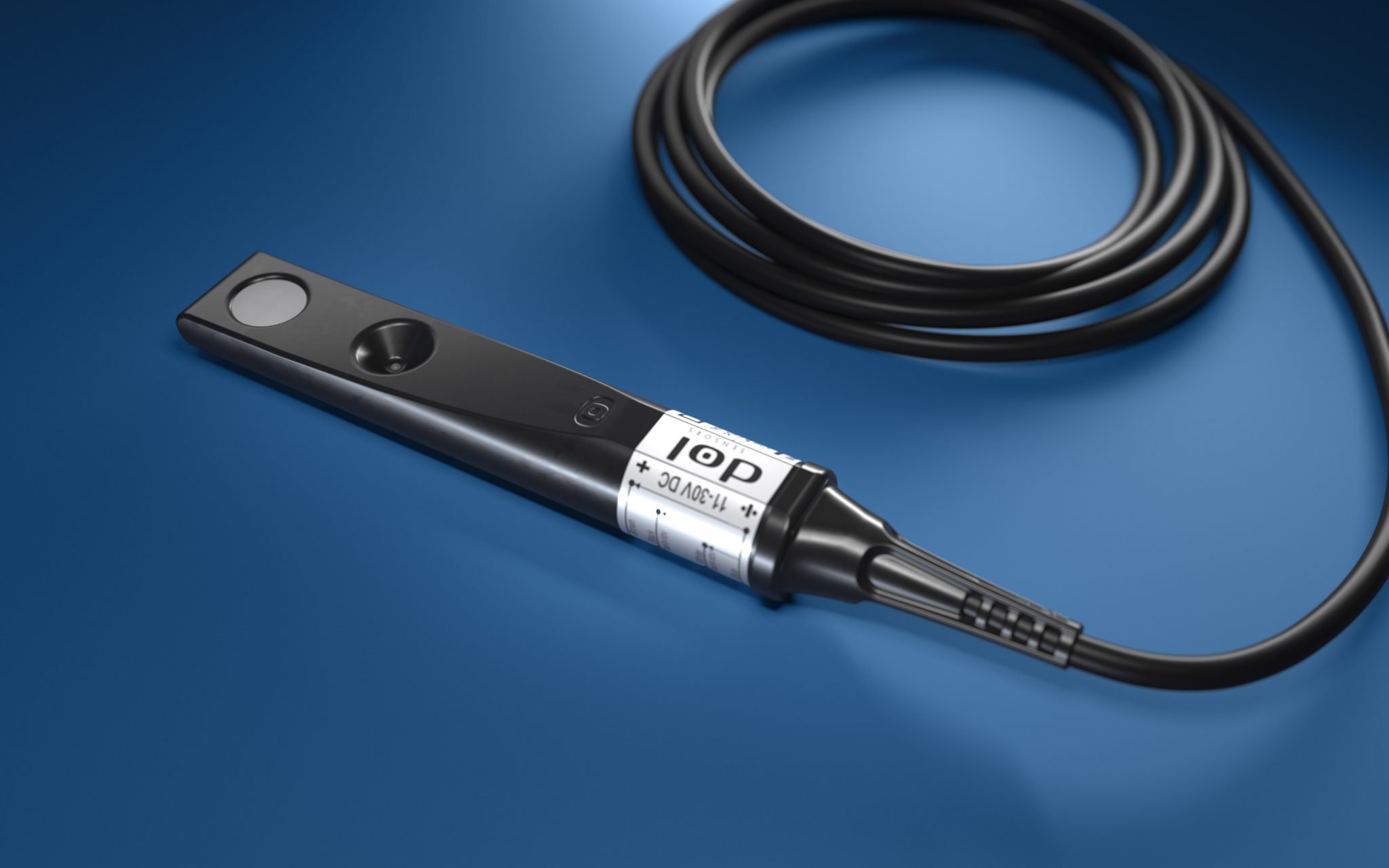
Animal welfare is a top priority in ethical and efficient livestock production. Accurate sensor measurements help maintain optimal environmental conditions in livestock houses. Our DOL 114 Temperature and Humidity Sensor, for example, ensures animals are kept in a comfortable climate, reducing stress and minimizing the risk of disease. Animals exposed to extreme temperature fluctuations are more susceptible to illness, which can also cause financial losses for farmers and farm managers. By continuously monitoring these conditions and making necessary adjustments, farmers can ensure their livestock's comfort and health.
Optimizing feed management
Accurate sensor measurements are invaluable in managing livestock feed consumption. Sensors can monitor feed levels in silos and feeders and help prevent underfeeding or overfeeding. They can also help identify unusual consumption patterns that indicate potential health problems requiring immediate attention.
Disease prevention and immediate action
Early disease detection is essential to prevent outbreaks that can devastate livestock populations. Sensors can monitor air quality and detect harmful gases such as ammonia (NH3) and carbon dioxide (CO2), which can harm animal health. Rapid changes in air quality often indicate ventilation problems requiring immediate attention. Detecting these signs early can spare many animals suffering and minimize financial losses.
Improving operational efficiency
Accurate sensor measurements make a significant contribution to livestock-farm efficiency. Automated farm management systems receiving precise, real-time sensor data can adjust environmental conditions, lighting and feeding schedules accordingly. This level of automation reduces the need for constant manual supervision, allowing farm managers to focus on more strategic tasks. Sensor data can also be analysed over time to identify trends, compare farms and make informed decisions about overall farm management.